Brain Games for Seniors That Blend Fun With Lasting Cognitive Benefits

Written By: Provincial Bethel Park
Brain Games for Seniors That Blend Fun With Lasting Cognitive Benefits

Brain games for seniors keep older adults mentally active. These games are fun, low-pressure activities that support a person's overall focus, memory, and problem-solving skills. When communities incorporate brain games into daily life for seniors, these games work to strengthen social connections among residents.

Just because you want to keep your mind active doesn't mean you can't have fun. For many older adults in Bethel Park, PA, a town that's just 10 miles from bustling downtown Pittsburgh, the best mental activities are ones that encourage socializing in an easy, enjoyable way.

This is what's ideal about brain games. When a community designs them thoughtfully, they're entertaining while also offering memory support in a natural way.

How Brain Games Support Cognitive Health

Senior living communities pride themselves on brain games that become a fun part of daily life. Residents stay mentally active while also improving their social connections. The best way for communities to do this is by choosing activities that offer a mixture of fun and long-term cognitive benefits.

When seniors enjoy brain games that challenge them, they're activating neural pathways. From there, cognitive health is supported with use. These games should activate the following:

  • Memory
  • Reasoning
  • Attention

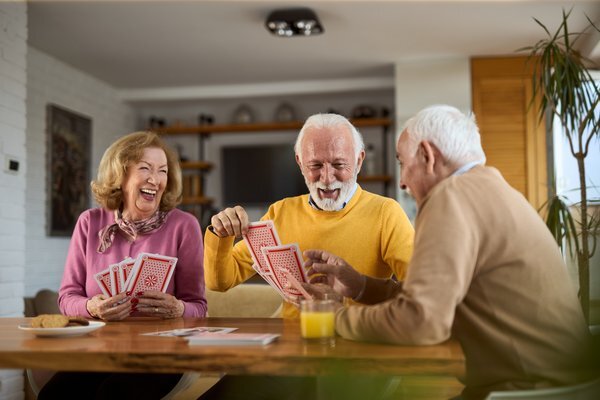
A brain game might be something as simple as a crossword puzzle during morning coffee or enjoying a card game with friends after lunch. You might even consider a group puzzle night with music, laughter, and conversation.

Start Simple

Seniors can benefit from simple games. For example, word games support healthy aging and language. This happens when a person recalls information.

Number-based games, on the other hand, are perfect for encouraging logic and sequencing skills.

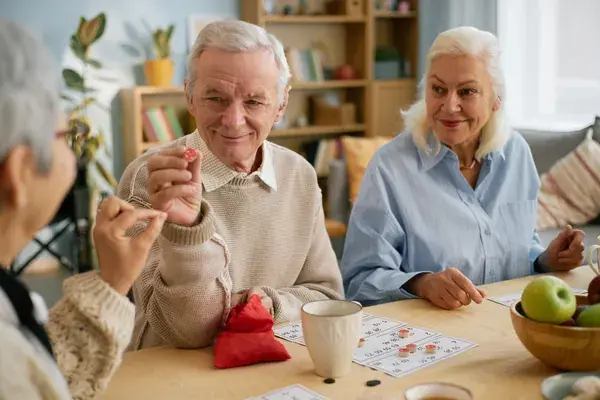
If you enjoy strategy games, they help with planning and flexible thinking. Group games like bingo or dominoes focus on attention. They also help seniors with pattern recognition and making quick decisions.

Be Consistent

Consistency matters most. Difficulty isn't what's important.

If a game is too hard, a senior might be less likely to return to it. When something is fun and enjoyable, it offers the greatest benefits. A person is more likely to stay engaged and look forward to playing.

Social Interaction

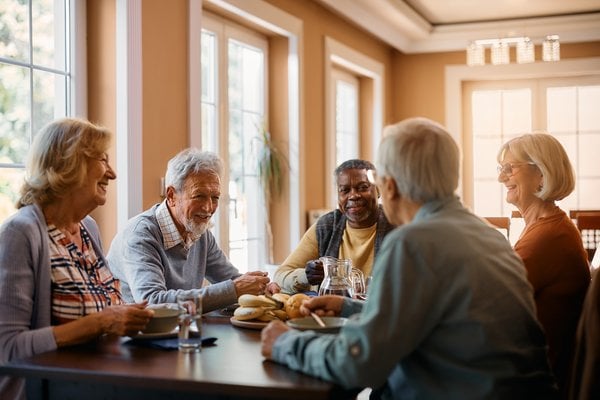
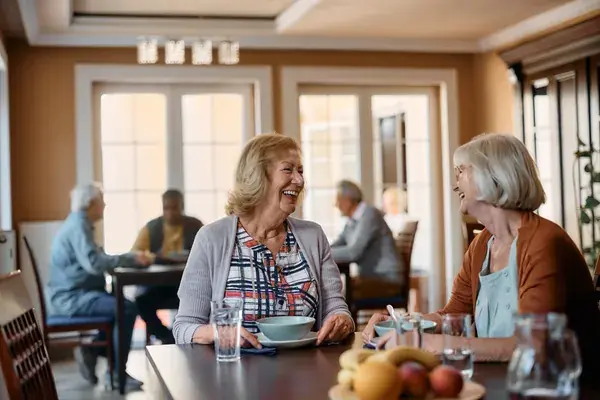
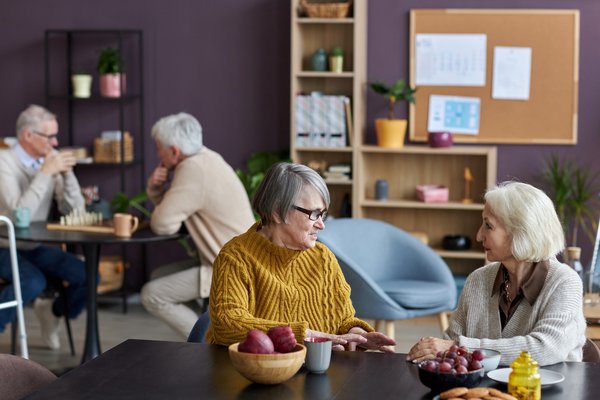
Social interaction can make games even more exciting, adding to senior brain health. For example, when seniors play games with others, something that stimulates their brains suddenly becomes a social opportunity.

People work together to solve problems and enjoy a little light, friendly competition. Emotional engagement helps reinforce learning and can even build a person's memory skills.

Another benefit of brain games is that they can support a person's confidence. As residents feel successful and capable while playing, they may be inclined to try new activities and events. What matters with games is keeping the rules flexible.

Additionally, residents should be encouraged to participate in a way that doesn't feel forced.

Blending Fun With Structure in Senior Living

Senior living communities can offer the best brain games possible, but that doesn't matter if programs don't strike a balance between fun and mental agility. Seniors should have open-ended options if they want to join at the last minute. The best way to do this is to schedule activities in advance so residents know what to look forward to.

It's also important to have variety in games for cognitive fitness. Instead of offering the same thing week over week, consider rotating games. This keeps things interesting while challenging different cognitive skills.

You might want to mix the following:

This way, skills are constantly evolving.

Choosing the Right Types of Brain Games

Keep in mind that not every resident will benefit from all games. When creating a brain game program, consider the different preferences and ability levels in your community.

Some residents might enjoy fast-paced games that require quick thinking. Others may prefer slower activities that allow time to reflect on the best strategy.

To be inclusive, offer a variety of both. Games should also be accessible with the following:

  • Large print
  • Clear instructions
  • Adaptable rules

Always respect individual energy levels. Offer both short and longer game sessions so everyone can participate comfortably.

Frequently Asked Questions

What Games Do Elderly People Like to Play?

Older adults typically like crossword puzzles, word searches, and memory games. Many enjoy playing card games such as gin rummy, bridge, and solitaire. Other seniors enjoy board games like Scrabble, checkers, and chess, while some prefer trivia games, bingo, jigsaw puzzles, and dominoes.

Are Digital Brain Games Better Than Traditional Games?

Not necessarily. Both types of games can be effective, though in different ways. Traditional games have a strong social component, while digital games are great for residents who enjoy technology.

How Often Should Seniors Play Memory Games?

Although a few weekly sessions are ideal, consistency is more important than frequency. What matters is finding a routine you're comfortable with and sticking to it so you can have fun and engage your brain.

What If a Resident Doesn't Like Games?

Games are one type of mental stimulation, but they're not the only option. Seniors can also engage in conversation, try creative activities, or learn something new. Participation should always feel optional.

Can Brain Games Be Adapted for Different Cognitive Levels?

Yes. Rules can be simplified.

You can also remove time limits or add group support as needed. The goal is to make games accessible for everyone, regardless of ability level.

Making Brain Games for Seniors Fun and Enjoyable

Brain games for seniors work best when they feel like a natural part of the day. In senior living communities that value engagement, these activities support more than cognition. They support connection, confidence, and enjoyment.

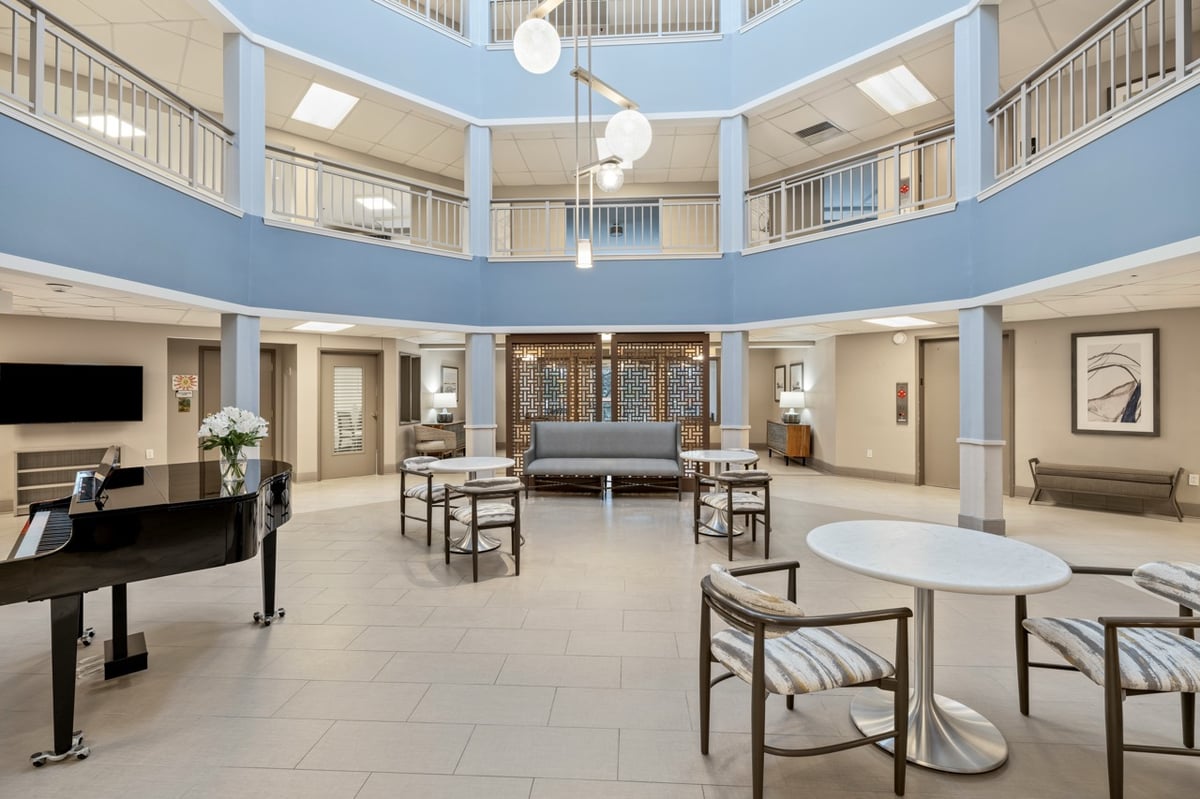
At Provincial Bethel Park, we offer residents brain games that don't just help them stay mentally active; they encourage friendships. These friendships are nurtured through our other programs, such as health and wellness, where residents can engage as a group before sharing one of our home-cooked meals.

If you're ready to tour a community that makes space for laughter, conversation, and shared moments among residents, contact us today!

Related Posts

Use Chat : 1